
Product Management After Dentistry: A Comprehensive Guide
Written by: Dr Vaishnavi Naik, Reviewed by: Dr Kinjal Rawal
You think tech roles are only for engineers? Think again. With your clinical training and strategic thinking acumen, product management can be a powerful next step for you.
Explore everything about product management after BDS & map out the steps to transition into this role.
One of the biggest misconceptions is that Product Management is only for engineers or people with an MBA.
In reality, many healthcare companies actively hire clinicians because they understand patient journeys, clinical workflows, and healthcare challenges better than most non-clinical professionals.
What is Product Management in Healthcare?
Product managers identify customer problems, decide what products should be built, and work with teams such as engineering, design, and marketing to bring those products to market.
In healthcare, this could mean improving an existing medical device, developing a digital health platform, or creating software that helps doctors deliver better patient care. (1)
The aim is to enhance patient experience and operational efficiency while ensuring compliance with relevant requirements. (2)
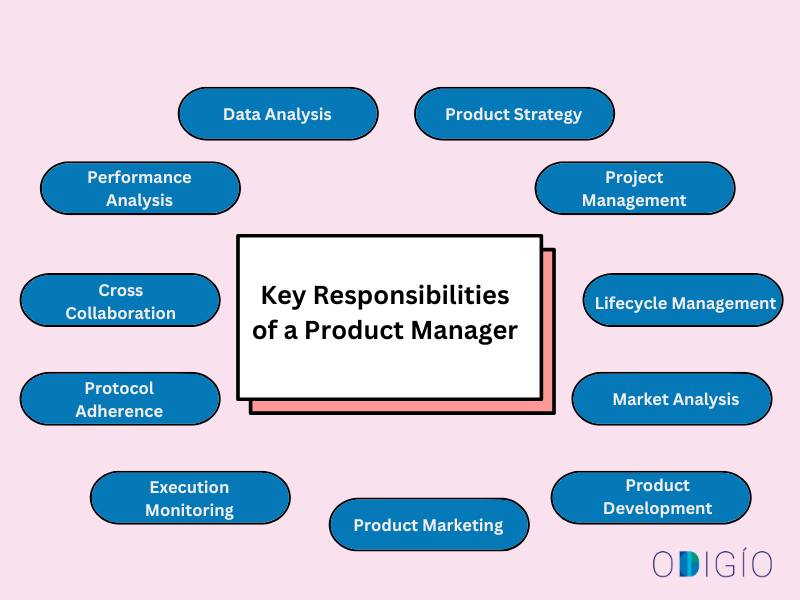
The key responsibilities of a product manager include:
- Data analysis
- Product strategy
- Project management
- Product lifecycle management
- Conducting product market analysis
- Coordinating product development
- Leading product marketing
- Monitoring product execution
- Adherence to organisational standards
- Cross-functional collaboration
- Conducting product performance analysis
Source: expertia.ai (3)
Before we explore the career path, it’s important to understand why product management is gaining momentum in healthcare.
Why Product Management in Healthcare?
Healthcare companies are rapidly digitising and becoming healthtech companies, so companies need experts who can bridge the gap between medicine and technology. (4)
Product management in healthcare is a dynamic field for professionals seeking to develop user-focused solutions that enhance clinical workflows and improve efficiency.
There is a demand for PMs across hospitals, startups, MNCs, and pharmaceutical companies to ensure products are safe, effective, and aligned with the organisation’s needs.
Health Tech Market Size
The rapid growth of digital health has created new opportunities for professionals who understand both healthcare and technology.
As more companies build products for doctors, hospitals, and patients, clinicians are increasingly valued for their ability to identify real-world healthcare problems.
This provides a wide range of opportunities and career growth for product managers in this industry.
If you’re also exploring strategy-focused non-clinical roles, you may find healthcare consulting a useful comparison, especially for understanding how clinical knowledge guides business decisions.
Start Your Product Management Journey
Let’s get you started
Why Dentists Make Great Product Managers?
Dentists already possess many of the skills healthcare companies look for in product managers.
Every day in clinical practice, you solve problems, make decisions based on evidence, communicate with patients, and work with multidisciplinary teams.
These transferable skills make it easier to understand user needs, collaborate with product teams, and build solutions that improve healthcare delivery.
Here’s how your clinical experience translates into a product management role.
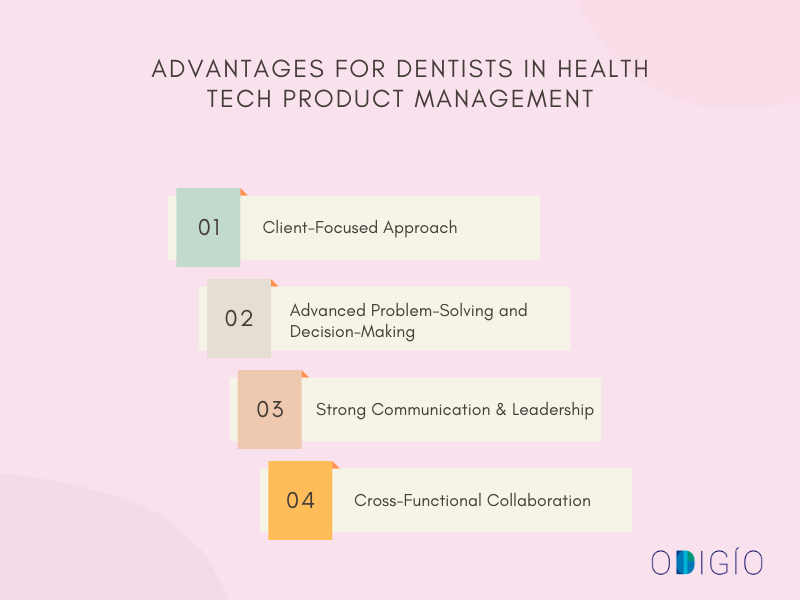
Client-Focused Approach
- Dentists interact with patients daily, giving them a strong understanding of user needs.
- This skill enables them to create products that enhance user experience, outcomes, and satisfaction.
Advanced Problem-Solving and Decision-Making
- Clinical practice trains dentists to analyse situations quickly and accurately.
- These are transferable skills that help them tackle complex product issues with clarity.
Strong Communication and Leadership
- Explaining diagnoses and treatment plans builds clear and empathetic communication.
- This directly supports leading meetings, aligning teams, and driving product decisions.
Cross-Functional Collaboration
- Dentists already work with labs, assistants, specialists, and admin teams.
- This translates smoothly into working with engineers, design, and the marketing department in product management
Rather than starting from scratch, dentists are building on an existing foundation of clinical knowledge and transferable skills. The next step is learning how to apply those strengths in a product-focused role.
Here are the key skills you’ll need to thrive in healthcare product management.
Skills Required for Product Management in Healthcare
Healthcare product managers need a combination of product management skills, technical knowledge, and strong communication skills.
If you’re just starting, you don’t need to learn everything at once. Most of these skills are developed on the job.
We’ve also created a beginner-friendly healthcare product management roadmap that walks you through how to start a career in the field, with free resources to help you learn along the way.
- Market & User Research: Understand user needs, market gaps, and customer pain points.
- Product Thinking: Identify problems and build solutions that create value.
- Analytical Thinking: Use data and feedback to make informed decisions.
- Risk & Problem Solving: Evaluate challenges and identify practical solutions.
- User Experience (UX): Build products that are intuitive and user-friendly.
- Product Management Tools: Familiarity with Jira, Trello, or Asana for planning and collaboration.
- Product Documentation: Writing clear product requirements and feature specifications.
- Basic Data Analysis: Working with Excel or simple dashboards to understand product performance.
- Basic UX/UI Knowledge: Understanding design principles to collaborate effectively with designers.
- Software Development Basics: Knowing how products are built so you can communicate effectively with engineering teams.
Most of these capabilities are taught once you step into a product role. To build basics, try exploring the free resources.
Source: expertia.ai(6)
- Communication
- Leadership skills
- Strategic thinking
- Cross-functional collaboration
Other roles, such as scientific editing, can be strong stepping stones, especially if you want to strengthen your analytical, writing, and research skills before transitioning into a PM role.
Let’s understand how you can transition into a product management role even without a technical background.
Steps to Transition into Product Management After Dentistry
Follow these steps for a smooth transition.
Next, let’s break down the different career options you can step into after dentistry.
Career Opportunities in Product Management After Dentistry
For dentists seeking a career that combines problem-solving, innovation, and impact, product management offers a doorway to a new world of opportunities.
The following are some of the career opportunities listed below:
Learn More About the Role
Connect with our expert
Along the way, you may encounter a few challenges. Let’s look at how to handle them.
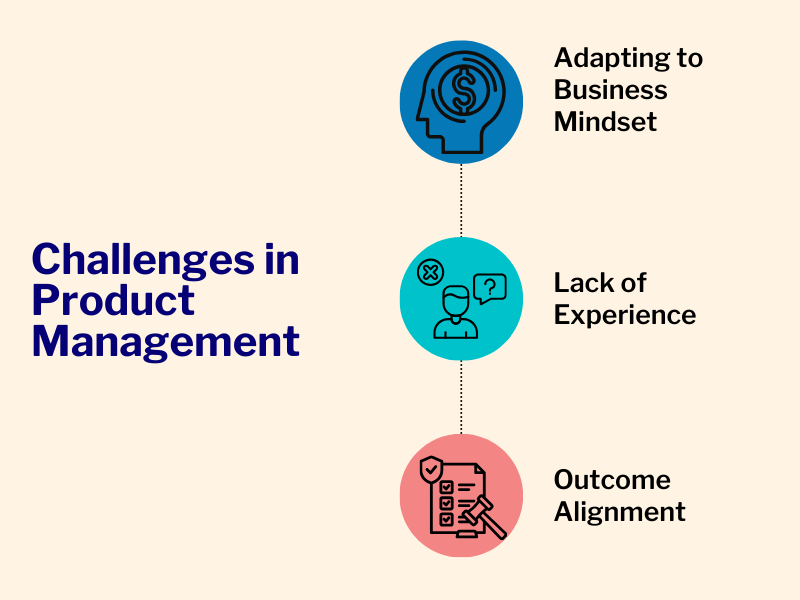
Challenges and How to Overcome Them
Adapting to Business Mindset
- Seek guidance from a mentor to develop the right mindset for product management.
- Learn basic product management terms to communicate better across teams.
- Understand key industry problems to identify the right product solutions.
- Read about core PM processes, roadmaps, data-driven decisions, and stakeholder communication to strengthen your foundation.
Lack of Experience
- Analysing already existing products and identifying ways to improve them.
- Take free certificate courses.
- Product management internships are one effective way to enter the industry.
- Start by identifying product ideas in the dental and healthcare industries, including the target consumer, market fit, and size, as well as other related considerations.
Outcome Alignment
- PMs constantly juggle what users want, what the business needs, and what the tech team can realistically build.
- Use data, user research, and clear prioritisation criteria to ensure product decisions meet user needs while supporting business strategy.
Conclusion
Product management is all about understanding people, solving real-world problems, and collaborating with diverse teams to create something valuable.
If you come from healthcare, your experience already gives you a strong foundation; you understand patients, real-world challenges, and how to make thoughtful decisions.
You don’t need to know everything on day one; you need curiosity and the willingness to learn.
With your knowledge and a bit of product thinking, you can build meaningful solutions and thrive in this field.
Book a Call Today!
Get personalised guidance
FAQs
References
- Productschool: Healthcare Product Management: The Long-awaited Cure?
- Expertia.ai: Product Manager – Healthcare IT Job Description Template
- Statista: Market size of health-tech sector in India from 2011 to 2022, with estimate for 2025
- CDSO: MEDICAL DEVICES RULES, 2017
- Custommarketinsights: India Healthtech Market Size Likely to Surpass at a CAGR of 28.67% By 2033